


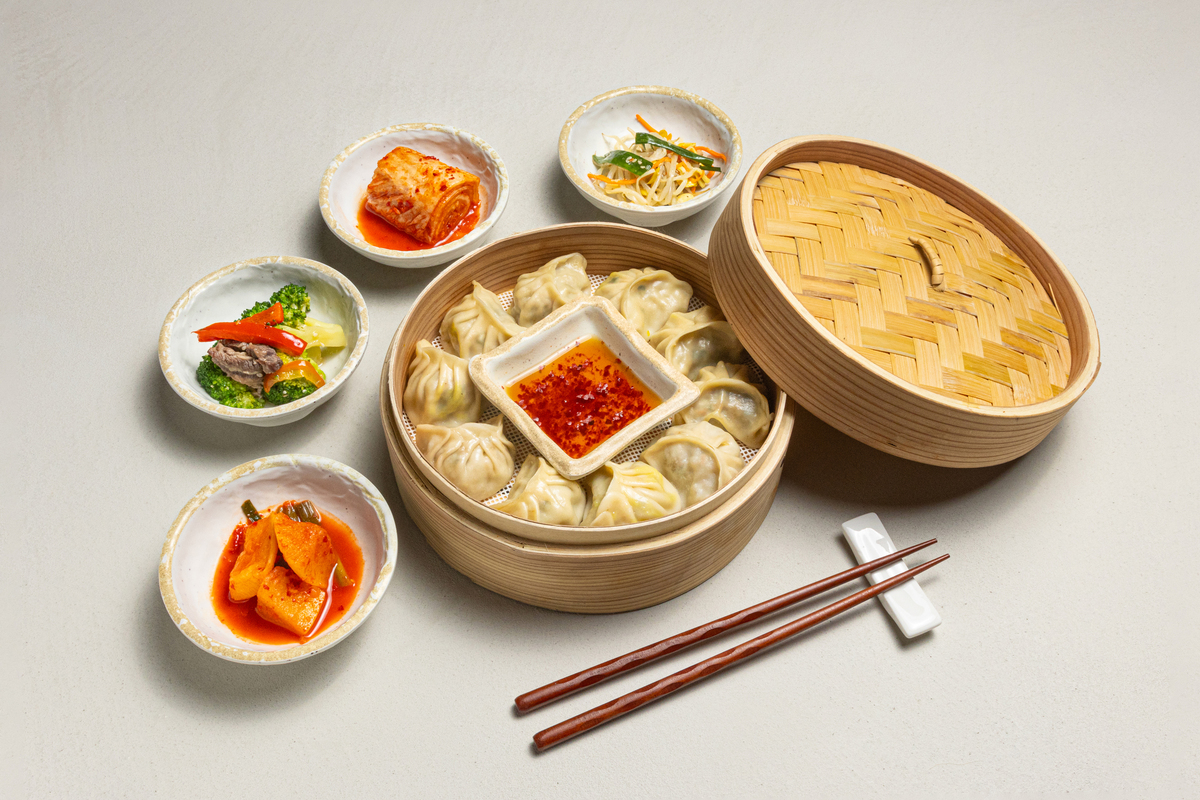
Mandu — Korean Dumplings and a Symbol of the Cuisine
Mandu are Korean dumplings that hold a special place in the national cuisine. They're made at home, served in restaurants, and considered a dish that brings people together at the table. Despite their outward similarity to other Asian dumplings, mandu stand out with their richer flavor, juicy filling, and variety of cooking methods.
In Korea, mandu are often served during cold weather and included in festive and family meals.
Types of Mandu
Korean dumplings vary by cooking method and filling. These differences shape the taste and texture of the dish.
Main Types of Mandu:
-
Mul mandu — boiled dumplings with soft dough and juicy filling
-
Gun mandu — dumplings fried to a crispy crust
-
Jjin mandu — steamed, the lightest and most delicate version
-
Mandu guk — dumpling soup, traditionally served during cold weather
Mandu Fillings and Menu Options
In classic Korean cuisine, mandu are made with meat, vegetable, and mixed fillings. It's important that the filling is juicy but not overloaded with spices.
Our menu features different variations of mandu:
-
Sogogi mandu — dumplings with beef
-
Kimchi mandu — mandu with fermented kimchi cabbage, with bright spiciness and tang
-
Saeu mandu — dumplings with shrimp
-
Modeom mandu — assorted mandu with different fillings
These combinations let you try several flavors at once and better understand the character of the dish.
Fried Mandu (Gun Mandu)
Fried mandu with a crispy crust deserve special mention. Frying makes the dough firmer and the filling especially aromatic.
In restaurant format, these are:
-
Sogogi gun mandu
-
Kimchi gun mandu
-
Saeu gun mandu
-
Modeom gun mandu
Fried mandu are often served as a standalone appetizer or for the shared table.
Mandu as Part of a Meal
Mandu can be:
-
a standalone dish
-
part of an assortment
-
an addition to soups and other hot dishes
They're served with simple sauces based on soy sauce, vinegar, and sesame oil — these enhance the filling's flavor without overpowering it.
At our Korean restaurant, mandu are prepared to preserve the traditional character of the dish while making it harmonious and accessible to our guests.
Why Mandu Are So Popular
Mandu are valued for their versatility and heartiness. This dish is suitable for:
-
lunch
-
dinner
-
shared dining
-
as a hot appetizer
In Korea, there's a tradition of making mandu as a family before the New Year. It's believed that this dish brings prosperity and symbolizes abundance.
Mandu are an example of how a simple dish becomes part of culture. Through Korean dumplings, the philosophy of the cuisine is revealed: respect for ingredients, balance of flavors, and the value of sharing a meal together.